
Ground Infrastructure Built for Solar Operations
Solar Field Ground Maintenance and Repair in Shawboro for utility-scale installations requiring year-round access and erosion control
Southern Roots Land Development, Inc. maintains and repairs ground infrastructure for utility-scale solar installations across northeastern North Carolina, where expanding solar development demands consistent access roads, vegetation control, and storm response across hundreds of acres. Ground conditions at solar sites deteriorate from seasonal rains, equipment traffic, and soil displacement around array foundations, requiring heavy equipment operators who understand both grading precision and the operational demands of energy production facilities. You notice the difference when access roads remain passable during wet months and when erosion channels no longer undercut array mounting systems.
This service involves grading and maintaining access roads that run between solar arrays, repairing erosion damage caused by concentrated stormwater flow, clearing vegetation that encroaches on panel rows, and compacting soil around array foundations that have shifted or settled. Seasonal storm cleanup removes debris and restores grade to roads and drainage swales that keep rainwater moving away from electrical equipment and inverter pads.
Schedule a site evaluation to assess current access conditions and erosion patterns across your solar installation.
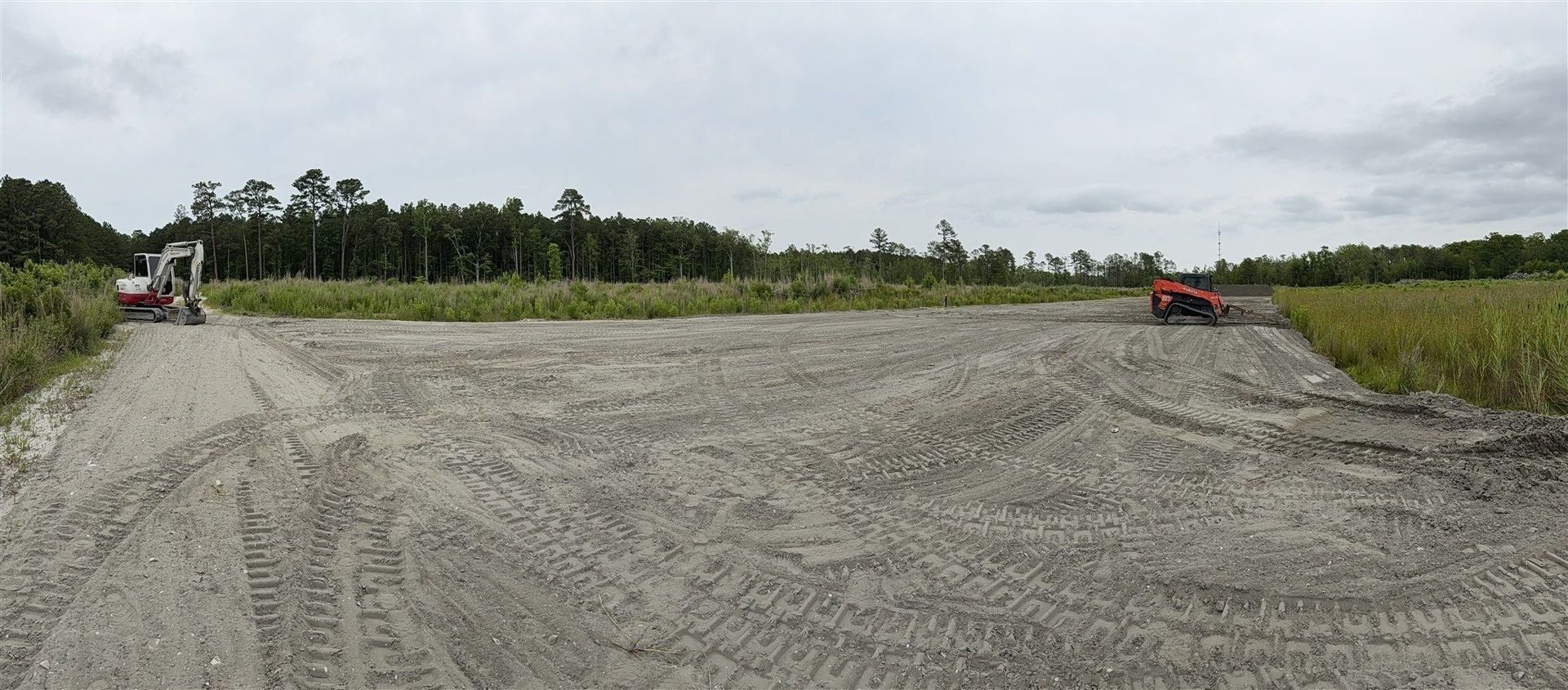
What Proper Solar Field Maintenance Requires
The work begins with grading access roads to maintain crown and drainage flow, using motor graders or dozers to remove ruts and restore compacted surfaces that support maintenance vehicle traffic without creating mud channels. Erosion repairs involve regrading damaged swales, installing riprap or erosion control fabric where water concentrates, and compacting fill material that stabilizes slopes around array perimeters.
Once roads are restored and erosion points addressed, you see maintenance vehicles moving through the site without creating new ruts, stormwater flowing through designed channels instead of cutting across access points, and vegetation cleared back from panel rows so mowing equipment can operate efficiently. Southern Roots Land Development, Inc. coordinates this work during dry periods when soil compaction holds and equipment access causes minimal ground disturbance, reducing the need for repeated repairs during North Carolina's extended wet seasons.
The service includes seasonal storm response when high winds deposit tree limbs and debris across solar fields, and when heavy rains wash out access roads or create new erosion channels. Ground maintenance also addresses vegetation management at the soil level, cutting back growth before it shades lower panel edges or creates fire fuel load during dry months.
Questions Before Scheduling Solar Field Work
Solar site managers and facility operators often ask about maintenance timing, equipment access, and how ground conditions affect operational uptime across installations in Shawboro and the surrounding service area.
What happens during a seasonal maintenance visit?
Crews assess access road conditions, identify new erosion damage, clear vegetation encroaching on arrays, and repair any soil settlement around mounting foundations using grading equipment and compaction tools suited to working between panel rows without damaging electrical infrastructure.
How does coastal North Carolina weather affect solar field ground maintenance?
Frequent rain and sandy loam soils common across northeastern North Carolina create faster erosion in drainage swales and softer road surfaces that rut under vehicle traffic, requiring more regular grading and compaction compared to drier regions with clay-heavy soils that hold grade longer.
When should storm cleanup be scheduled after a weather event?
Cleanup begins as soon as ground conditions allow equipment access without creating new ruts, typically within two to four days after storm passage, focusing first on clearing debris from access roads and then addressing any erosion damage or drainage blockages that affect site operations.
What equipment is used for maintaining roads between solar arrays?
Motor graders restore road crown and drainage slope, while dozers handle larger erosion repairs and regrading work, and excavators place riprap or install erosion control measures in swales where water flow concentrates during heavy rain events.
How often do utility-scale solar fields require ground maintenance?
Most installations benefit from quarterly access road grading, biannual erosion inspections, and vegetation clearing aligned with growing seasons, with additional storm response as needed during hurricane season and winter weather events that deposit debris or cause washouts across the site.
Southern Roots Land Development, Inc. operates across a seventy-five-mile radius from Shawboro, providing ground maintenance that keeps solar installations accessible and operationally sound throughout the year. Arrange a maintenance assessment to develop a seasonal service schedule based on your site's current ground conditions and access requirements.